Choosing the right potting soil is fundamental to ensuring the health and optimal growth of your plants. In gardening, the quality of the soil plays a crucial role in the absorption of nutrients and water by the roots. Whether you are an amateur or experienced gardener, understanding the selection criteria for suitable potting soil can transform your green space.
To choose the best potting soil, several elements must be considered, such as composition, pH, texture, and drainage capacity. The specific needs of your plants should also guide your choice, as potting soil suitable for indoor plants may not necessarily be appropriate for vegetables or garden flowers.
Essential Criteria for Choosing the Best Potting Soil
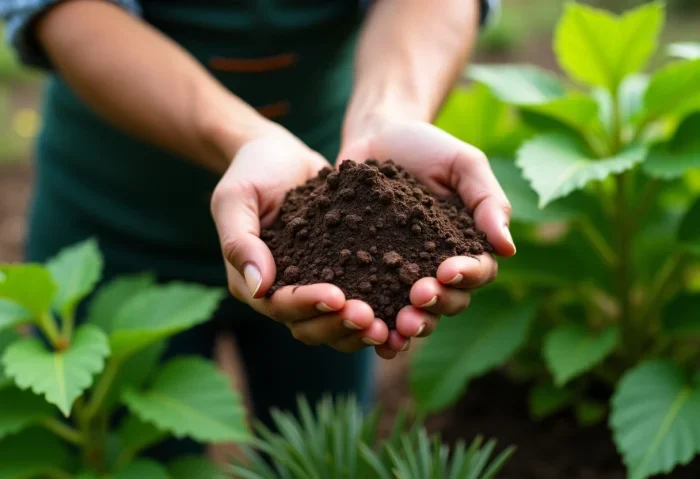
To determine the best potting soil for your plants, several criteria must be considered. First, the composition of the potting soil. Good potting soil is often made up of peat, composted plant debris, and topsoil. These elements provide a structure conducive to root development. Organic and mineral materials, such as compost and fertilizers, enrich the substrate with essential nutrients.
The water retention capacity is a fundamental aspect. Quality potting soil should be able to retain water while ensuring good drainage to avoid root asphyxiation. For example, Lidl potting soil offers good water retention, which is often sought after for potted plants and planters.
Different Types of Potting Soils
There are several types of potting soils, each catering to specific needs:
- Universal potting soil: suitable for most plants, except those with special requirements.
- Horticultural potting soil: rich in humus and organic materials, ideal for flowers, shrubs, and vegetable gardens.
- Seed and cutting potting soil: fine and light, promotes germination and rooting of young plants.
- Cactus potting soil: light and draining, made of sand and pumice to prevent excess water.
- Orchid potting soil: very airy, rich in bark and pumice, tailored to the specific needs of orchids.
Consider the pH of the potting soil, which should be suitable for the plants you wish to grow. Acid-loving plants, such as rhododendrons and azaleas, require potting soil with an acidic pH. Also, consider the specific nutrient needs of each type of plant to optimize their growth. Choosing suitable potting soil is a decisive step towards flourishing and healthy crops.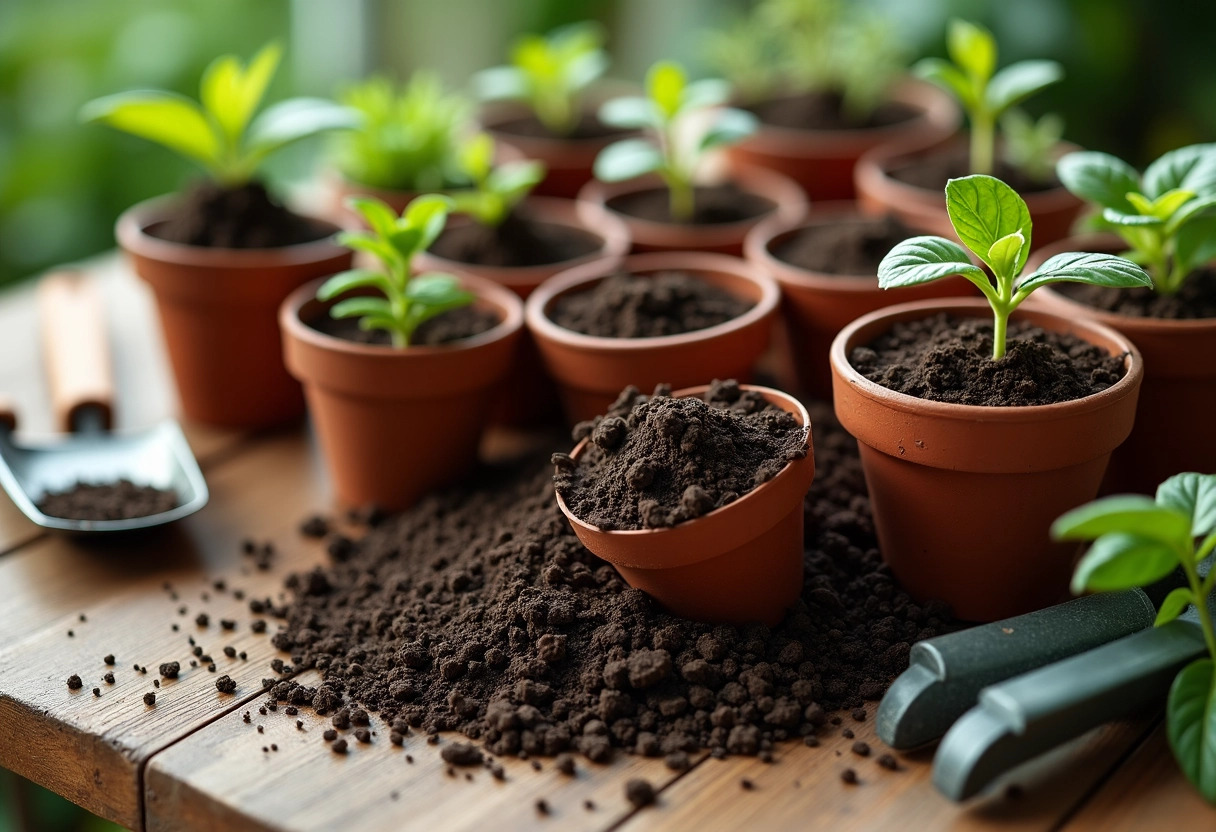
Practical Tips for Optimizing Potting Soil Use
To maximize the benefits of your potting soil, a few simple practices are essential. Aerate the substrate regularly. This helps prevent compaction and ensures good air and water circulation. Use a garden rake for this operation, especially after heavy rains or intense watering.
Amend your potting soil with organic materials. Homemade compost or commercial amendments can enrich the substrate with nutrients. These regular additions promote healthy and vigorous growth of your plants.
For potted plants, ensure proper drainage at the bottom of the containers. Add a layer of gravel or clay balls before filling with potting soil. This prevents water stagnation at the root level, thus preventing fungal diseases.
Specific Use According to Plants
Some plants require special attention. Here are some specific recommendations:
- Acid-loving plants: Use a special potting soil for heather soil plants. These plants, such as rhododendrons and azaleas, require an acidic pH.
- Cacti: A cactus potting soil, light and draining, is essential. It should contain sand and pumice to avoid excess moisture.
- Orchids: Opt for an orchid potting soil, very airy, rich in bark and pumice or perlite.
- Citrus: Prefer a citrus potting soil, rich in clay. This substrate retains water while remaining light and flexible.
Adjust watering according to the specific needs of each plant. Too much water can be as harmful as too little. By following these practical tips, you will optimize the use of your potting soil and promote harmonious growth of your plants.