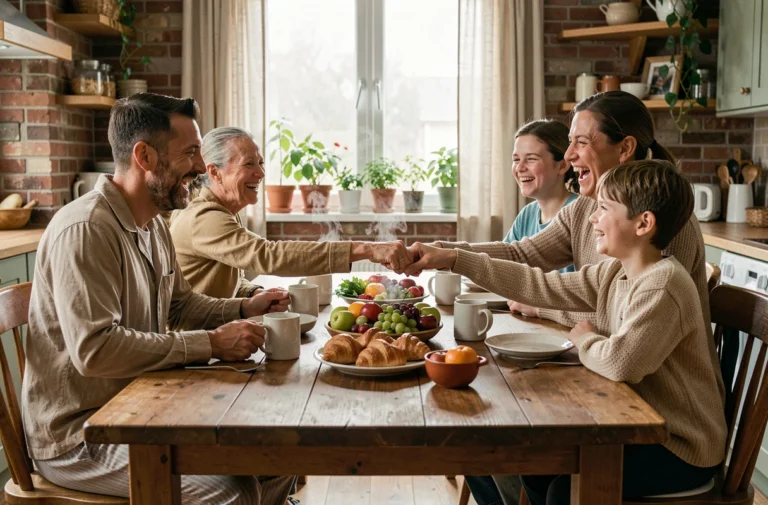
Life expectancy in good health is progressing more slowly than total life expectancy among those over 65. However, according to several studies, staying socially and physically engaged after retirement significantly reduces the risks of loss of autonomy.
Local and national resources exist, but they are often underutilized or unknown. Some community initiatives demonstrate that it is possible to delay isolation and maintain an optimal quality of life, provided one knows where to look and how to get involved.
Aging while staying active: why social engagement changes everything after 65
Reaching retirement marks the beginning of a new chapter, often bewildering, sometimes exhilarating. Many see this period as a slippery slope toward isolation: nearly two million elderly people in France are affected, according to official data. Social isolation acts as an accelerator of fragility: mental health declines, autonomy diminishes, and the feeling of no longer mattering sets in.
Yet, other paths exist. The social fabric is not a detail: it is woven within the family, extends to the neighborhood, and is strengthened through volunteering. Sharing knowledge, joining an association, participating in local life—these are all opportunities to stay active and feel useful. Family ties, far from being secondary, help navigate difficult times and nourish solidarity between generations.
Studies show that participating in group workshops, caring for a pet, or simply getting out of the house multiplies opportunities for contact, improves morale, and protects autonomy. Seizing these opportunities sometimes requires a little push: the online Magazine Seniors regularly shares practical advice and activity ideas. These collective dynamics promote enhanced mental health and prolonged autonomy. Those who engage report a renewed sense of confidence and a richer daily life.
What activities to prioritize for a fulfilling and dynamic retirement?
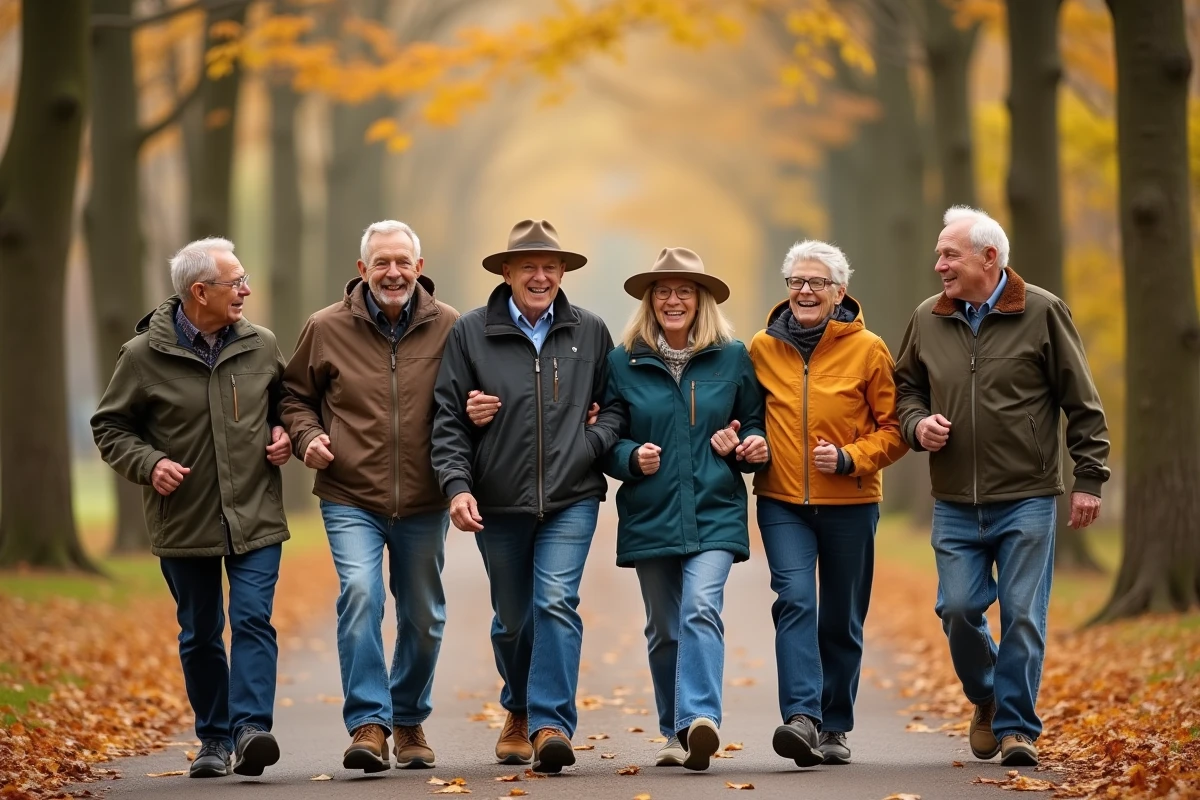
Retirement frees up time: it is an opportunity to explore various activities that stimulate both body and mind. Regular movement, walking, yoga, gentle gymnastics, limits the risk of falls and maintains autonomy. Engaging in physical activity, even moderate, positively influences overall balance.
To enrich this period, here are examples of beneficial social and creative activities:
- Practicing Nordic walking, aquagym, or cycling: here, consistency matters more than performance.
- Discovering or deepening a creative hobby: painting, pottery, photography, or knitting offer moments of personal expression.
- Participating in intergenerational meetings and local events that strengthen the sense of belonging.
Art or writing workshops, memory games, and book clubs stimulate the mind and encourage exchanges. Cultural outings or dedicated trips provide opportunities to open up to the world and break the routine. Digital tools, video conferencing apps, social networks, forums, facilitate maintaining contact, even from a distance. For sustainable quality of life, combining a balanced diet, medical follow-up, and suitable housing proves beneficial. The advice published on Magazine Seniors allows for concrete progress, step by step, to organize daily life.
Overview of essential resources for seniors and their families
Solutions to improve the lives of seniors are diversifying and organizing around associative solidarity and local networks. Clubs, collectives, associations: these actors play a key role in breaking isolation and promoting the circulation of reliable information. Senior clubs build programs tailored to each individual, according to their desires and needs, to give retirement an active and warm dimension.
On the financial support side, the personalized autonomy allowance (APA) adjusts home aid, ensuring safety and independence. For housing, adapting living spaces, co-housing among seniors, or intergenerational shared living open new perspectives, allowing for a blend of autonomy and social life.
Institutional actors like Santé publique France disseminate practical recommendations for maintaining mental health and preventing age-related difficulties. Associative work, led by organizations like Les Petits Frères des Pauvres or the Fondation de France, highlights the direct impact of social connections and collective activities on well-being.
Here are some types of resources to mobilize for structuring a fulfilling daily life:
- Access to information: guides, online platforms, tools to know one’s rights and procedures.
- Support: psychological assistance, discussion groups, local welcome points.
- Prevention: health workshops, information campaigns, advice for a healthy diet and physical activity.
Identifying and then utilizing these resources is choosing to live retirement fully, to remain an active participant in one’s journey, and to give senior life a flavor resolutely focused on the future. Nothing prevents, after 65, from opening up new horizons.