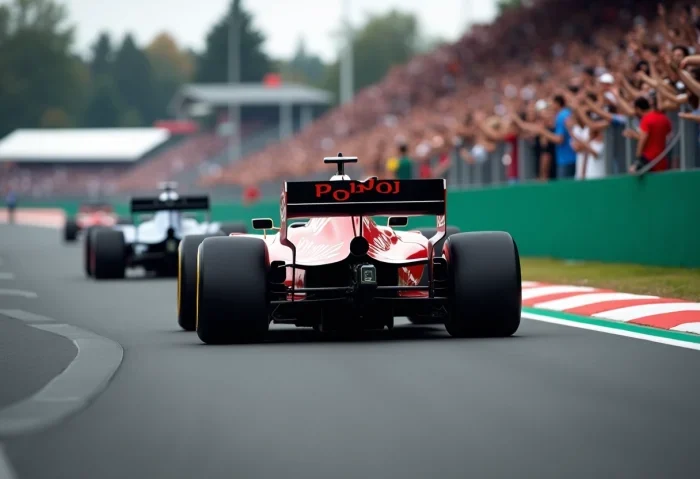
The captivating world of Formula 1 demands special attention to grasp the complexity of this sport. First, understanding the technical specifics of the single-seaters is fundamental; each team invests millions in research and development to gain a few tenths of a second. These details directly influence race performance.
One must follow the strategies of the teams and drivers. Tire choices, fuel management, and pit stops can transform a race. The human aspect should not be overlooked; the talents, rivalries, and personalities of the drivers add a fascinating dimension to each Grand Prix.
The technical elements to master to follow Formula 1
To closely follow Formula 1, mastering certain technical elements is essential. The single-seaters are true technological jewels where every detail matters. A deep understanding of systems like the Drag Reduction System (DRS) and the Kinetic Energy Recovery System (KERS) is crucial to understanding the cars’ performance on the track.
Technologies and telemetry
The RaceWatch technology, used by seven F1 teams, the FIA, and Formula 1, provides detailed telemetry that allows for capturing and analyzing data in real-time. It is indispensable for assessing race performance and adjusting strategies accordingly.
Rules and regulations
The Fédération Internationale de l’Automobile (FIA) imposes strict rules regarding energy efficiency. These regulations aim to promote sustainable development in this high-intensity sport. Starting in 2026, ARAMCO plans to provide fully sustainable fuel for the single-seaters, thus meeting new environmental requirements.
The F1 qualifying
The F1 qualifying phase is a key moment of the race weekend. It determines the starting position of the drivers, directly influencing the course of the race. Understanding the nuances of this stage, such as tire choice and traffic management on the track, is fundamental to anticipating the teams’ performances.
Race interventions
- Pit stops: A quick tire change can make the difference between victory and defeat.
- The virtual safety car: Regulates the speed of the cars for safety reasons, impacting race strategies.
Understanding the technical aspects of Formula 1 allows for a better appreciation of the subtleties of this complex and fascinating sport.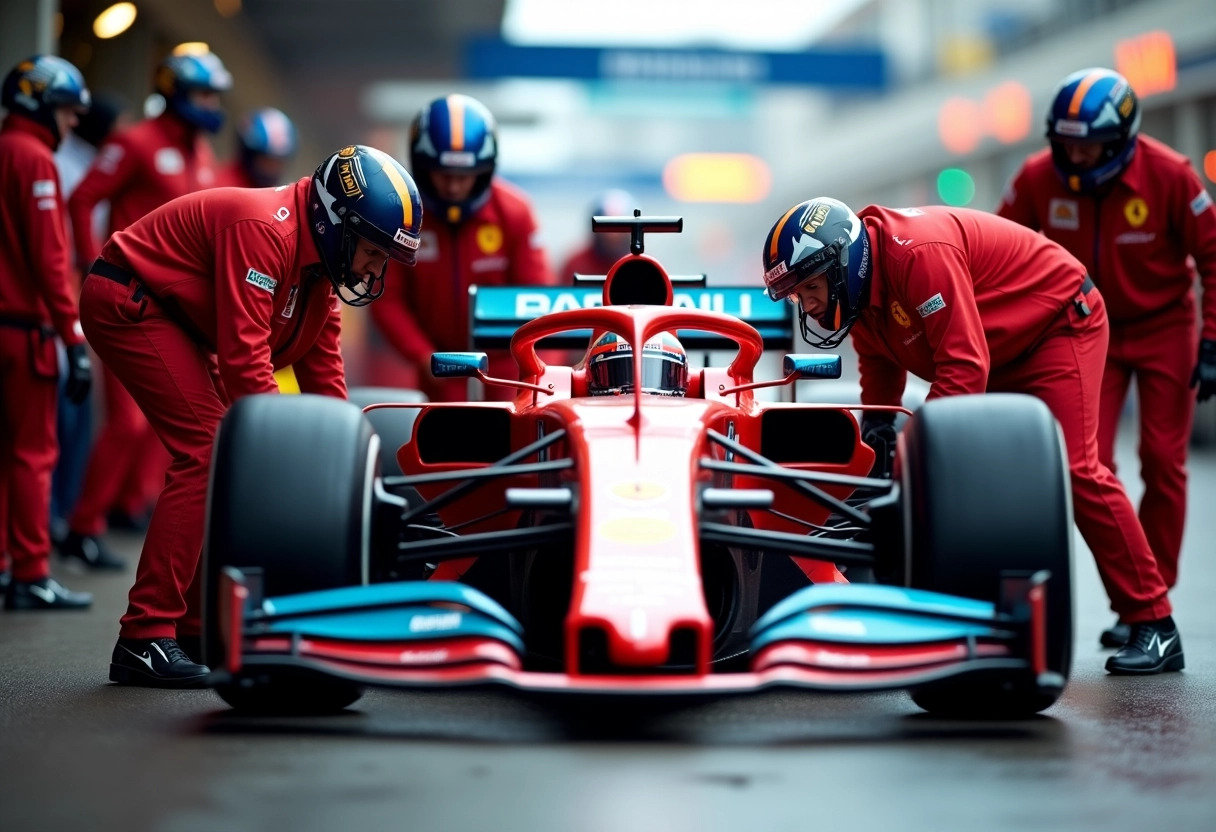
The strategic and analytical aspects of Formula 1
To closely follow Formula 1, a fine understanding of race strategies is essential. The F1 race strategy relies on a combination of data analysis and predictive simulations. These tools allow for optimizing tire choices, pit stops, and fuel management. Bernie Collins, former head of strategy for the Aston Martin F1 team, shared several examples illustrating this complexity.
Pit stop management
Red Bull Racing holds the record for the fastest pit stop, set during the 2019 Brazilian Grand Prix. This record is the result of precise coordination and rigorous training. The impact of a perfectly timed pit stop can be decisive, as evidenced by Lewis Hamilton’s victory at the 2019 British Grand Prix.
Data analysis and simulations
The use of analysis software like those provided by Catapult is fundamental for the teams. These tools allow for simulating different race conditions and anticipating the performance of the cars. Real-time analysis of telemetry data, captured by technologies like RaceWatch, is essential for adjusting strategies based on unforeseen events on the track.
- Fuel consumption: Precise management allows for maximizing performance while avoiding penalties.
- Tire choice: Tires are selected based on track conditions and weather forecasts.
Strategic decisions directly influence the course of races and can turn a good start into a stunning victory.