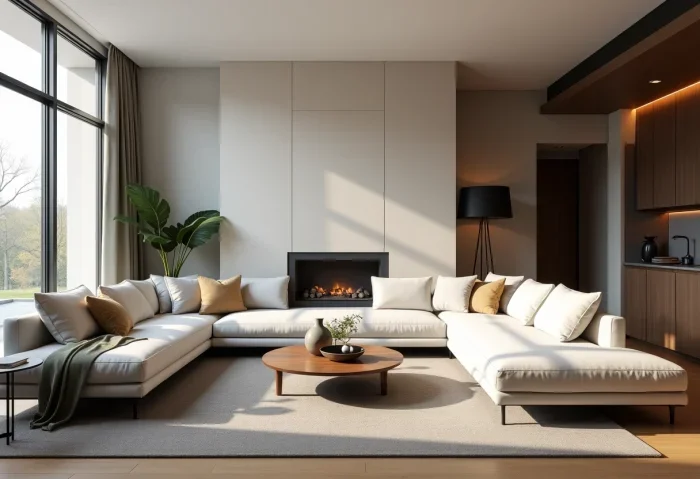
Imagine a space where each piece of furniture brings not only an aesthetic touch but also practical utility. A comfortable sofa that fits perfectly in your living room, a dining table that invites convivial meals, and shelves that combine style and storage. This harmony between elegance and functionality transforms a simple interior into a true sanctuary.
Choosing well-designed pieces allows you to optimize every corner of your home while creating a welcoming atmosphere. Quality materials and clean designs contribute to a serene living environment, where each piece of furniture has its place and distinct role.
Defining a Theme or Style
Creating a harmonious interior relies on a thoughtful layout and the wise choice of furniture. To do this, think about clearly defining a decorative style that will guide the entire arrangement. This style will determine the shapes, materials, and overall ambiance of your space. Once this style is chosen, it becomes easier to select the right furniture and create a cohesive atmosphere.
Key Elements
- Color Palette: a coherent color palette is essential to ensure visual harmony. The colors should complement each other and create a pleasing overall look.
- Proportions and Scale: the visual balance of a room depends on the proportions and scale of the furniture. Oversized or undersized furniture can disrupt the space.
- Comfort and Practicality: beyond aesthetics, a harmonious interior must also ensure comfort and practicality. The furniture should be functional and meet daily needs.
To successfully arrange your interior, start by identifying the essential elements of your style. Once these elements are defined, you can incorporate them into each room, respecting the chosen color palette and materials. This coherence will create a welcoming and refined atmosphere while optimizing the space for smooth circulation.
The thoughtful arrangement of your furniture also includes decorative accessories that complement the room’s style. These accessories add personality and reinforce the visual identity of your interior. Consider every detail to ensure everything is in perfect harmony.
Emphasizing Versatility and Modularity
The versatility and modularity of furniture are major assets for optimizing space and creating a functional and elegant interior. Modular furniture allows you to adapt the layout according to the needs and constraints of each room. A modular sofa can transform into a guest bed or additional storage space.
- Versatility: versatile furniture serves multiple functions. A foldable desk can double as a dining table, while a modular shelf adapts to different heights and widths to maximize storage.
- Modularity: modular furniture sets offer the possibility to reorganize the space according to circumstances. A modular bookshelf can be expanded or reduced, allowing you to play with volumes and the room’s aesthetics.
Creating complementary furniture sets brings unity and refinement to the interior. By focusing on versatility, each piece of furniture becomes a key element of your layout, contributing to optimal space utilization. A good example of this approach is the integration of storage modules into sofas or beds, freeing up floor space and facilitating circulation.
The arrangement should be designed to allow for maximum flexibility. Consider each piece of furniture not only for its aesthetic appeal but also for its adaptability potential. This strategy allows you to transform a living space into a multifunctional and evolving area, responding to the changing needs of its occupants.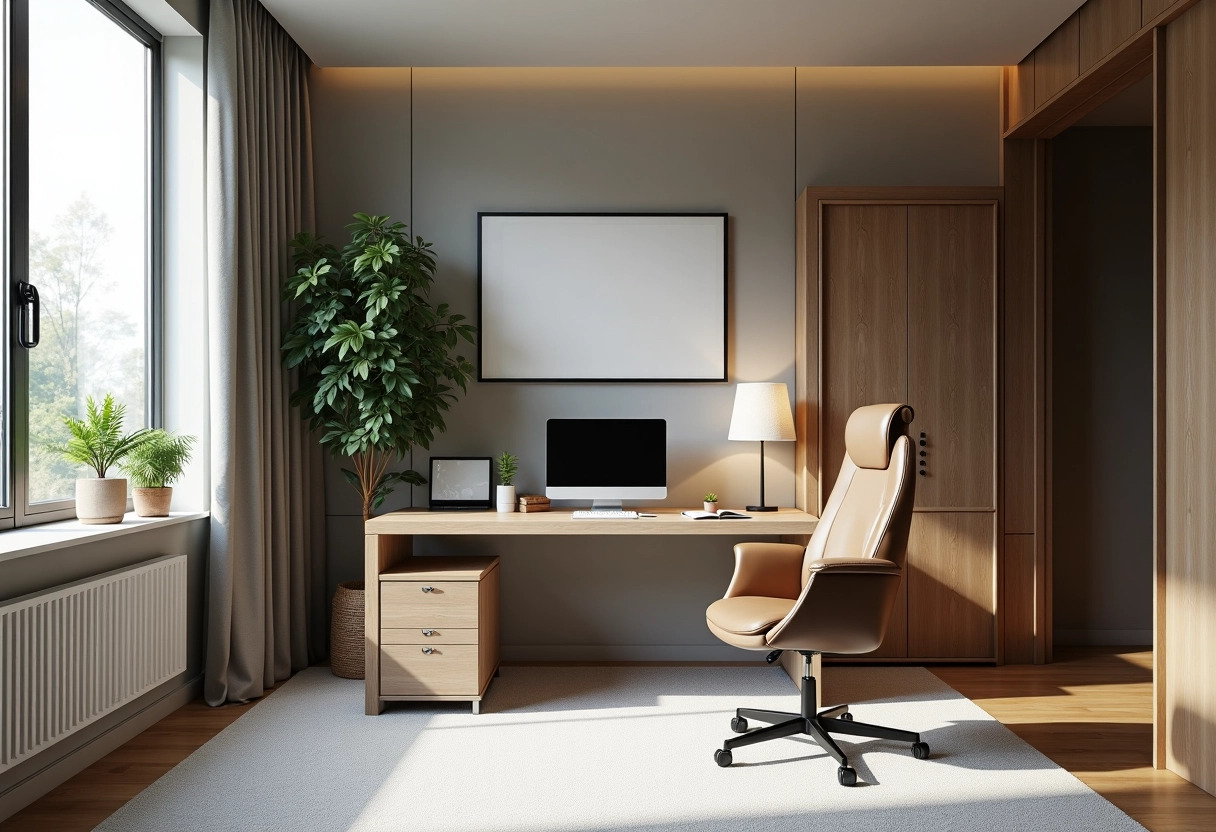
Optimizing Lighting
Lighting plays a fundamental role in creating a harmonious interior. Maximizing natural light and complementing it with suitable artificial lighting can significantly enhance the ambiance of a room. Well-thought-out lighting reveals colors, textures, and volumes while contributing to a smooth circulation.
Maximizing Natural Light
Be sure to take full advantage of the available natural light. Position furniture so as not to obstruct windows and use light curtains to allow light to enter. Mirrors are valuable allies: placed facing a light source, they reflect light and increase the brightness of the room.
Appropriate Artificial Lighting
Complement natural light with well-chosen artificial lighting. Use a combination of fixtures to create different levels of light:
- General Lighting: a ceiling light or recessed spots provide uniform light throughout the room.
- Task Lighting: table lamps, wall sconces, or floor lamps add additional light points, ideal for reading or specific activities.
- Ambient Lighting: indirect lighting, such as LED strips, creates a warm and welcoming atmosphere.
Decorative Accessories
Decorative accessories complete the ensemble. Choose light fixtures that harmoniously integrate with the room’s style. Fabric lampshades, natural material pendants, or designer lamps can add a touch of personality while reinforcing aesthetic coherence.
Optimizing lighting is not just about light; it is a holistic reflection on the arrangement and enhancement of space. By wisely combining natural and artificial light, you transform your interior into a place that is both functional and aesthetically pleasing.