
Some materials designed to last for decades end up generating more waste than they prevent. Energy regulations are changing faster than the equipment installed in most homes. Yet, the simplest actions are sometimes the most effective in limiting a household’s environmental impact.
The way we equip our homes, how we arrange our spaces, and the daily management of resources weigh heavily on the ecological balance. Today, there are accessible solutions within everyone’s reach that do not require radical upheaval or insurmountable expenses.
Why sustainable housing has become essential for the planet and our daily lives
Understanding the ecological footprint of a home is no longer just an individual awareness issue. The ecological transition demands a profound revision of our lifestyles, as the residential sector accounts for nearly a quarter of greenhouse gas emissions in France. Sustainable housing aims to reduce this pressure on the planet by limiting energy consumption, prioritizing eco-designed materials, and improving indoor air quality.
Choosing to live differently also means seeking thermal comfort without waste: effective insulation, well-thought-out ventilation, and renewable energies transform each home into an ally in the reduction of CO2 emissions. This choice positively impacts health and quality of life by reducing pollutants and creating a healthier environment. Housing occupies a strategic place in corporate social responsibility: every adjustment matters, every decision has an impact.
A sustainable lifestyle is also expressed in the daily management of resources: water, energy, materials, waste. Sustainable housing is not limited to architecture or high-performance equipment; it invites us to rethink our daily lives. Acting for the planet means paving the way for a livable future, where reducing the carbon footprint becomes part of our habits. To explore these topics and discover concrete avenues, the expression learn more about Alter Ec Home offers a starting point for transforming how we live and moving towards an environmentally respectful lifestyle.
What simple actions to adopt at home to reduce environmental impact
At the household level, every habit counts in the pursuit of energy sobriety. Some concrete actions allow us to act daily:
- Replacing traditional bulbs with LED ones can achieve up to 90% energy savings,
- Equipping ourselves with energy-efficient appliances, a true lever for reducing consumption,
- Ensuring doors are properly closed and windows are insulated to prevent heat loss.
Effective insulation reduces dependence on heating or air conditioning, lowers bills, while also lightening the carbon footprint.
Adopting waste sorting and recycling helps decrease the volume of household waste and preserve resources. Composting, for example, transforms organic waste into natural fertilizer, useful for both the vegetable garden and indoor plants. Installing a few air-purifying plants improves air quality while adding a welcome touch of greenery.
Water management can be optimized: flow reducers, water-saving showers, or rainwater collectors are all avenues to explore. For laundry and dishes, “eco” programs reduce consumption. In terms of maintenance, eco-friendly household products, certified, based on white vinegar or baking soda, limit water pollution and reduce exposure to unwanted substances.
Thinking about responsible consumption means prioritizing short supply chains, certified products, limiting packaging, and opting for second-hand items. Even a small vegetable garden provides fresh food and reduces transportation impact. Each of these actions, no matter how simple, builds a daily life more respectful of the environment and nurtures a collective dynamic.
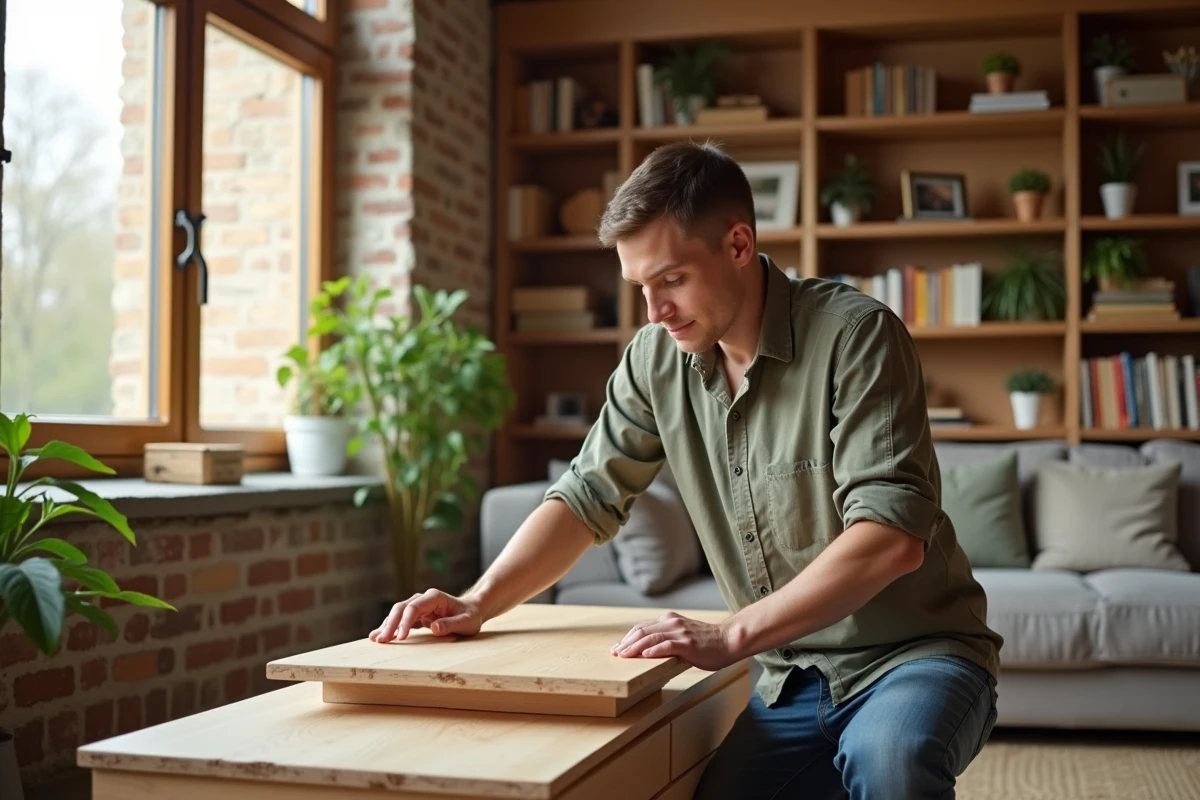
Concrete and accessible actions to transform your home into an eco-responsible model
Transforming your home to make it truly eco-responsible is no longer an out-of-reach project. Several concrete solutions and technical innovations allow for gradual progress. From renovation or construction, using ecological materials such as certified wood (with FSC or PEFC labels), recycled steel, or polycarbonate limits environmental impact. These choices ensure controlled origins and respectful management of natural resources.
Adopting renewable energy solutions means evolving our daily lives towards more sobriety and partially freeing ourselves from fossil fuels. Installing solar panels, a heat pump, or a solar water heater allows for local production of part of our needs, sometimes benefiting from financial aids like MaPrimeRénov or the energy transition tax credit.
The building envelope is modernized with cool roofing: thanks to reflective paints or membranes, indoor temperature decreases by 4 to 6°C, reducing air conditioning and CO2 emissions. At the same time, natural ventilation and the presence of air-purifying plants improve indoor air quality.
Integrating simple equipment, such as a composter, waste sorting system, or vegetable garden, embeds energy sobriety and environmental awareness into family routines. Sustainable housing goes far beyond technique: it embodies daily attention, care in every action, and the desire to pass on a livable legacy. Tomorrow begins at our doorstep when eco-actions become reflexes and housing shapes a new relationship with the world.