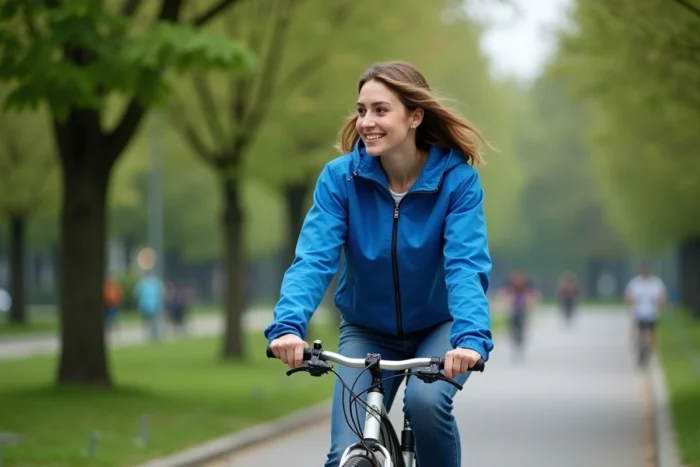
In 2023, bike travel has increased twice as fast in urban areas compared to rural areas, according to the National Observatory of Active Mobility. Paris, Strasbourg, and Nantes now exceed 10% of cycling modal share, a threshold that seemed unthinkable just ten years ago. Despite massive investments, some urban routes still see their traffic double each year during peak hours.
Conflicts of use persist, as public policies multiply experiments. Private initiatives are emerging, often on the fringes of official regulations, disrupting the urban transport ecosystem. This proliferation questions the balance between safety, accessibility, and sustainable transformation.
Urban cycling tourism, a driver of new mobility in the city
Urban cycling tourism has carved out a prominent place in our cities, providing a concrete response to the challenges posed by sustainable mobility. Where cars once reigned supreme, space is being reconfigured. The practice of cycling in the city is becoming part of daily life and changing collective habits. Now, the bicycle, as a means of transport, is asserting itself in the urban landscape. Between 2019 and 2023, the share of bicycles in urban travel in France has seen a 14% increase, driven by the impressive rise of cycling infrastructure.
The massive arrival of the electric bicycle accelerates this transformation. It lowers the barrier of physical effort, opening the door to new users: hurried students, workers, families. Everyone is making the city their own in their own way, with protected routes, better-designed parking, and revised signage. These concrete developments reflect a shift in urban direction.
But the revolution doesn’t stop there. Cycling trips, even over a few kilometers, offer a different perspective on the city. The website lepetitratporteur.fr perfectly illustrates this movement by analyzing how the bicycle shapes the social dynamics of urban centers. Active mobilities are redefining uses, inviting a new sobriety and more human rhythms. Through the practice of cycling, the city is reinventing itself, hinting at a collective lifestyle that is less carbon-intensive, where each bike trip expresses a strong choice.
What impacts on daily life and the environment?
Adopting the daily bicycle transforms the city as well as our habits. The multiplication of bike lanes redistributes flows, calms traffic, and limits car dominance. A direct consequence: noise levels decrease, air pollution recedes, and the air becomes breathable again. The bicycle use encourages a different appropriation of public spaces, allowing us to view the city from a new angle. Travel is no longer just a constraint but becomes an opportunity for encounters and closeness.
The benefits go far beyond the simple journey. Each bike trip replaces a car on the road, reducing CO2 emissions and dependence on fossil fuels. In dense urban centers, the rise of active mobilities smooths traffic and lightens the ecological footprint. When cycling infrastructure is accompanied by an ambitious policy, public space gains in sharing and equity.
Here are some concrete effects of the development of urban cycling:
- Reduction of noise pollution: space for bicycles, which are much quieter than engines, bringing an unprecedented calm to the city.
- Individual well-being: cycling encourages physical activity, improves health, and helps reduce stress.
- Social cohesion: shared cycling creates solidarity, mutual aid, and weaves connections among residents.
This lifestyle reshuffles the cards: shops, schools, and cultural venues become more accessible. The place of the bicycle reveals new collective priorities. When observing daily life, one perceives a profound transformation, spread by thousands of cyclists who, through repeated journeys, shape the city in their image.
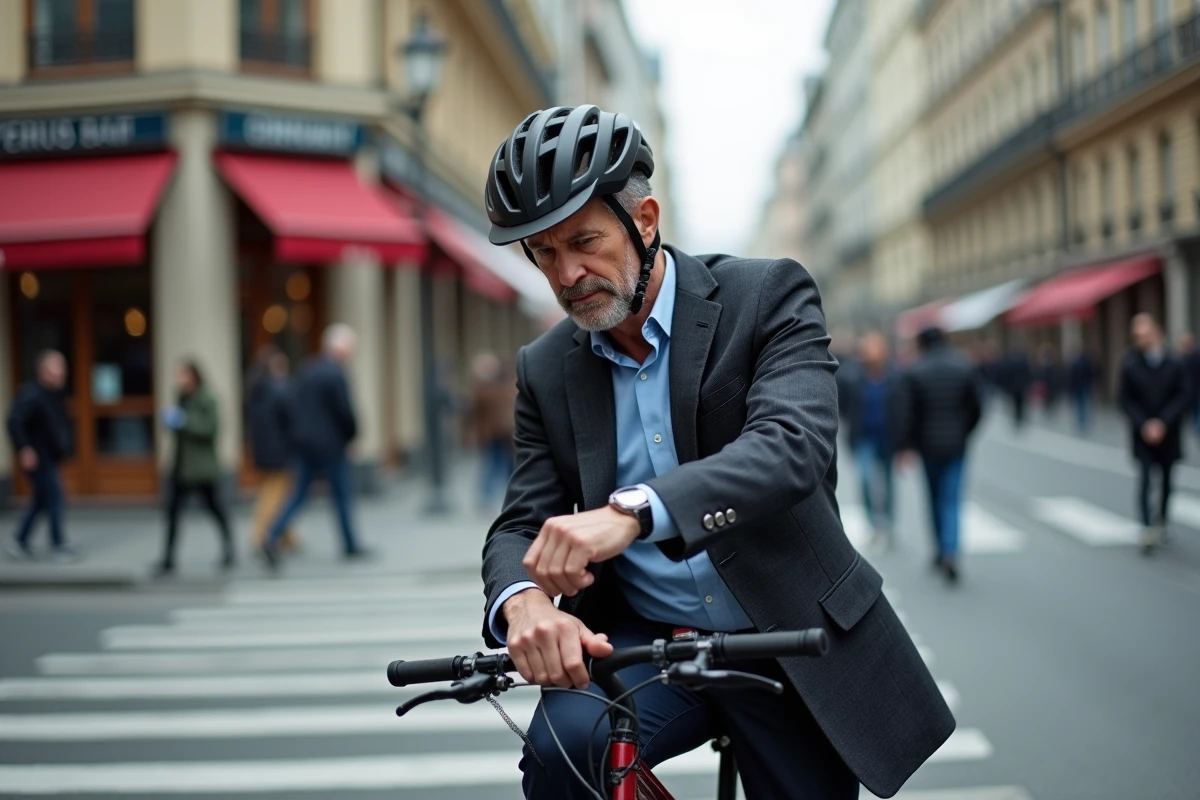
Inspiring initiatives and testimonials: the bike culture at the heart of cities
In French cities, bicycle culture is flourishing and expressing itself through a multitude of initiatives. Citizen collectives, self-repair workshops, and associations are multiplying projects to encourage the daily practice of cycling. In Paris, Lyon, and Bordeaux, sometimes festive events gather thousands of enthusiasts for a bike day. The goal: to circulate ideas, advice, and raise awareness about active mobilities.
The testimonials collected illustrate the diversity of these experiences. Anne, an engineer in Toulouse, swapped her car for an adapted bicycle thanks to better-designed and safer roadways. In Strasbourg, Malik, a student, discovered the joy of personalizing his performance road bike with the help of local communities that share know-how and tips, from saddle adjustment to advanced mechanics. Mutual aid, collective rides, and sharing experiences foster a sense of belonging that goes beyond simple daily commuting.
Here’s how the cycling dynamic takes shape on the ground:
- Innovations: the electric bicycle opens the way for new audiences, especially in hilly neighborhoods or those far from the center.
- Content creators: on social media, influencers and enthusiasts share advice, routes, and tips, constantly updating practices.
- Solidarity network: collaborative repair workshops are multiplying in popular neighborhoods, enhancing autonomy and sharing skills.
The selection and transmission of these best practices, driven by a generation of engaged cyclists, energizes the evolution of the bicycle as a means of transport in the city. Far from an elitist or purely sporting image, urban cycling tourism is establishing itself as a living culture, rooted in daily life and shaped by local initiatives. At every street corner, the city is reinventing itself, guided by the discreet pulse of pedal strokes.